November 4, 2026
Vehicles today represent marvels of engineering. Automakers build automobiles with networks of sensors, specialized metals, and computer modules designed to protect occupants. When an accident occurs, these complex mechanisms absorb the impact, which leaves the automobile compromised. Returning the machine to a pristine state requires precise methodology to ensure the vehicle remains safe for travel.
Many drivers view post-accident restoration as a cosmetic endeavor focused on paint and body panels. However, restoring the aesthetic appeal constitutes a fraction of the process. The underlying structural integrity and electronic functionality dictate the safety of the automobile. Choosing a capable local auto collision repair facility ensures technicians address the hidden damage that compromises passenger protection. This commitment keeps roadways safer for everyone.
1. Restoring Advanced Driver Assistance Systems
Modern automobiles feature elaborate electronic components designed to prevent accidents before they happen. These include lane departure warnings, automatic emergency braking, and adaptive cruise control. Cameras and radar sensors sit behind bumpers and windshields to monitor the environment. When a collision happens, the impact force misaligns these delicate instruments. Even a minor fender bender can shift a radar bracket enough to render the system inoperable.
Without proper intervention, a misaligned sensor might fail to detect an obstacle or brake at the wrong moment. This malfunction poses a hazard to the driver and surrounding traffic. Technicians must perform precise evaluations to identify which electronic components sustained damage during the impact. Identifying the faulty modules marks the first step in returning the automobile to factory specifications. Workers inspect the mounting brackets for subtle fractures.
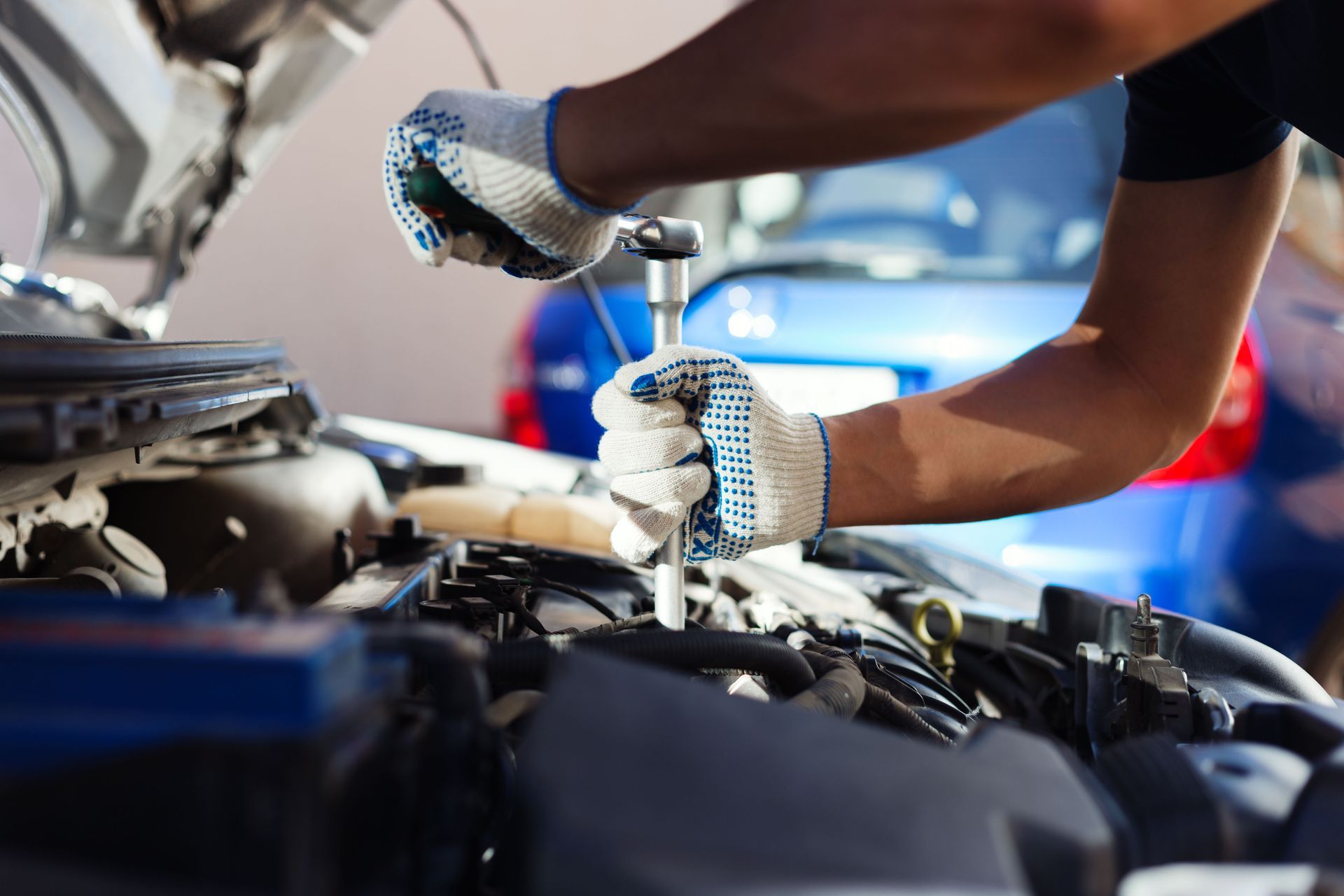
Following the initial assessment, the calibration process begins. Calibration requires specialized software, target boards, and a controlled environment to align the cameras and radars. Finding a local auto collision repair center with the necessary equipment is crucial. Technicians connect diagnostic tools to the vehicle computer to clear error codes and set the new parameters. The software guides the alignment to match the angles dictated by the manufacturer.
Completing the calibration ensures the sensors monitor the correct areas around the automobile. If an obstruction appears, the automatic braking engages as designed. The lane departure warnings remain accurate, keeping the driver alert on long journeys. Restoring these electronic features prevents future accidents and provides drivers with peace of mind. Functional electronics serve as the invisible shield that protects passengers on modern highways.
2. Rebuilding High-Strength Steel Structures
Automobile frames do not consist of uniform metal structures. Engineers utilize a combination of high-strength steel and aluminum to reduce weight and increase safety. These materials form crumple zones engineered to fold and absorb energy during a crash. This controlled deformation keeps the kinetic energy away from the passenger cabin. Once these zones collapse, the structural metal loses its original rigid integrity.
Attempting to bend specialized metals back into shape without correct procedures introduces severe weaknesses. Heat application destroys the temper of high-strength steel. If a subsequent accident occurs, compromised structural components will fail to absorb the impact energy. Instead, the force transfers into the passenger cabin, endangering the occupants. Repairing the frame requires replacing the damaged sections according to strict manufacturer blueprints.
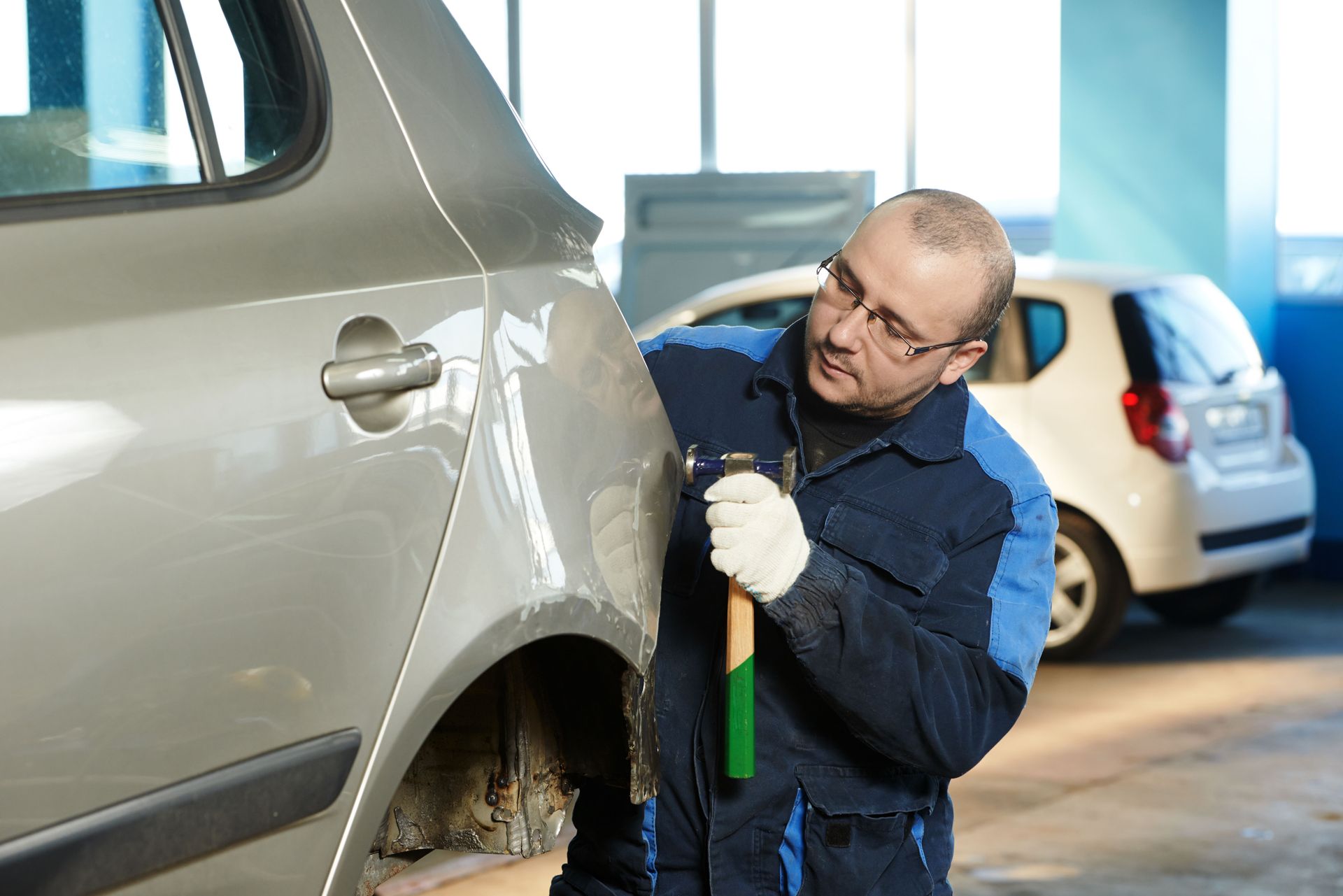
According to IBISWorld, there are 307,000 auto mechanics businesses in the United States. While general mechanical shops handle engine maintenance, they lack the heavy equipment required for frame reconstruction. A dedicated local auto collision repair shop utilizes computerized measuring systems to map chassis dimensions. These measuring tools verify frame alignment down to the millimeter. Technicians then secure the vehicle on a dedicated machine for precise alignment.
Workers use specialized cutting tools and resistance spot welders to install the new structural components. These advanced welders replicate original factory welds, ensuring the seams hold together under extreme stress. By adhering to manufacturer guidelines, the frame regains its designated crumple zones and structural rigidity. A properly rebuilt chassis guarantees the automobile will react safely in any future collision. This structural foundation supports every safety mechanism.
3. Replacing Supplemental Restraint Systems
Supplemental restraint systems encompass more than the airbags located in the steering wheel. Modern cabins contain side curtain airbags and seat belt pretensioners designed to deploy in milliseconds. During a crash, sensors detect the deceleration and signal the control module to fire the appropriate restraints. The seat belts tighten to lock passengers in place while airbags cushion the impact. These components endure immense stress during a deployment event.
Once an airbag deploys or a seat belt pretensioner fires, the components become spent. Manufacturers design these items for single-use applications. In addition to the visible deployed bags, the impact often damages the crash sensors located near the crush zones. The central control module also records the crash data and requires a complete replacement. Failing to address every component leaves passengers vulnerable on the road.
Restoring the interior safety features requires meticulous attention to detail. Any qualified local auto collision repair provider will forbid the use of salvaged airbags. Technicians order brand-new, factory-approved restraint modules and sensors to populate the cabin. Installers route the wiring harnesses to prevent pinching behind the dashboard panels. They connect the new seat belt mechanisms and verify the retractor tension meets safety standards.
Following the physical installation, technicians run comprehensive electronic diagnostics on the entire restraint network. The computer must recognize every new sensor and module without any communication errors. This verification process ensures the system stands ready to react in fractions of a second. Passengers rely on these restraints as their final line of defense during a severe impact. Proper restoration of the interior cabin protects lives during unforeseen emergencies.
4. Refinishing Protective Exterior Coatings
The exterior paint on an automobile serves a crucial purpose beyond creating a glossy shine. Automotive coatings act as a durable barrier against moisture, road salt, and environmental contaminants. When a crash scrapes away the paint and exposes the bare metal, the oxidation process begins immediately. Rust compromises the strength of body panels over time. Left unchecked, corrosion spreads like a disease beneath the surface.
Corroded metal loses its structural integrity and flakes away, weakening the overall body shell. In regions with harsh weather, road treatments accelerate this decay at an alarming rate. A compromised body panel cannot withstand the forces of a subsequent collision. The weakened metal tears rather than folding, altering the intended crash dynamics. Restoring protective coatings prevents rust from taking hold and destroying vital components of the chassis.
The refinishing process requires multiple stages of preparation, priming, and painting to achieve a durable seal. A diligent local auto collision repair technician sands the damaged area down to the bare substrate before applying a corrosion-resistant primer. Painters utilize computerized mixing scales to formulate the exact color code for a seamless match. They apply the base coat and follow it with a thick clear coat layer in a climate-controlled booth.
Baking the fresh paint in a heated booth cures the layers into a hardened, weather-resistant shell. This rigorous refinishing standard seals out moisture and prevents future oxidation from forming on the repaired panels. The protective barrier ensures the high-strength steel and aluminum retain their structural properties for years. Maintaining a rust-free body shell maximizes the lifespan of the automobile. The flawless finish represents the final safety step.
Automobile accidents introduce tremendous stress to both the mechanical and electronic frameworks of modern vehicles. From misaligned radar sensors to collapsed crumple zones, the damage extends far beyond surface blemishes. Addressing these complex issues requires state-of-the-art equipment and specialized knowledge. Securing services from a dedicated local auto collision repair facility guarantees that every structural anomaly receives the proper attention. Comprehensive restoration protocols ensure the vehicle returns to the road in peak condition. When you are ready to restore your vehicle to factory safety standards, reach out to us at Dickson Motors & Body Shop LLC for your local auto collision repair. We look forward to getting you safely back on the road.